
Woven Bag Vs Non Woven Bag: Which Is Better?

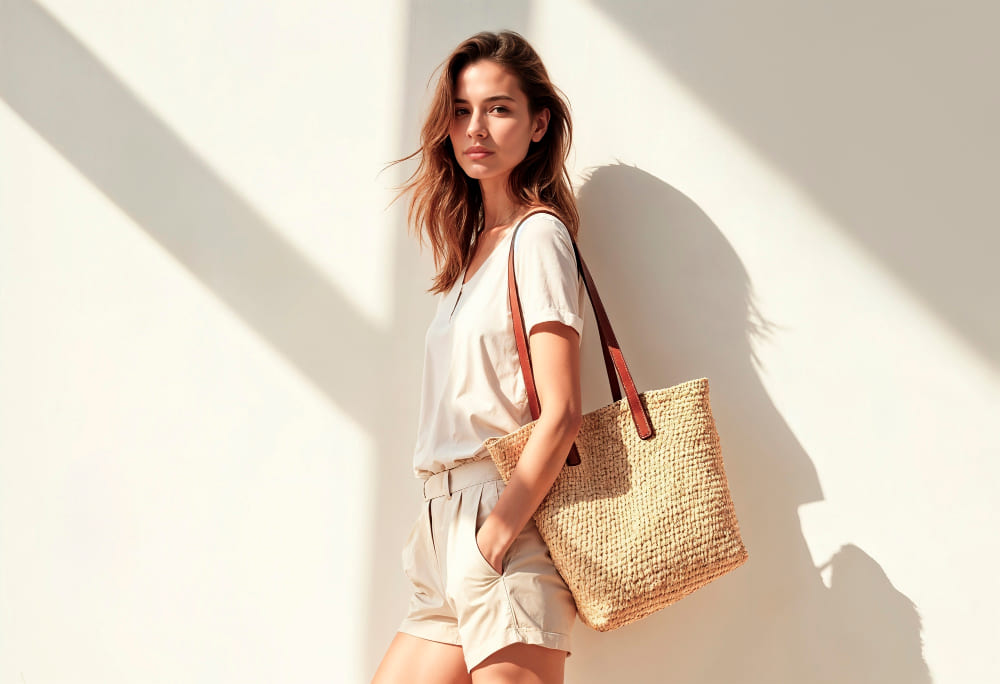
The global movement toward sustainability is profoundly reshaping consumer behavior, driving a significant shift from single-use plastics to eco-friendly alternatives.
This market is booming, with analyses projecting a Compound Annual Growth Rate (CAGR) of 12.1%, reaching an estimated USMYR 42.43 billion by 2033.
As both businesses and individuals increasingly adopt reusable options, woven and non-woven bags have become two leading choices.
While both effectively reduce plastic waste, it's essential to understand their unique features, advantages, and drawbacks to make the best decision.
Let us equip you with the knowledge needed to select the ideal bag for your specific needs, whether for personal use, retail, or promotional activities.
What Is a Woven Bag?
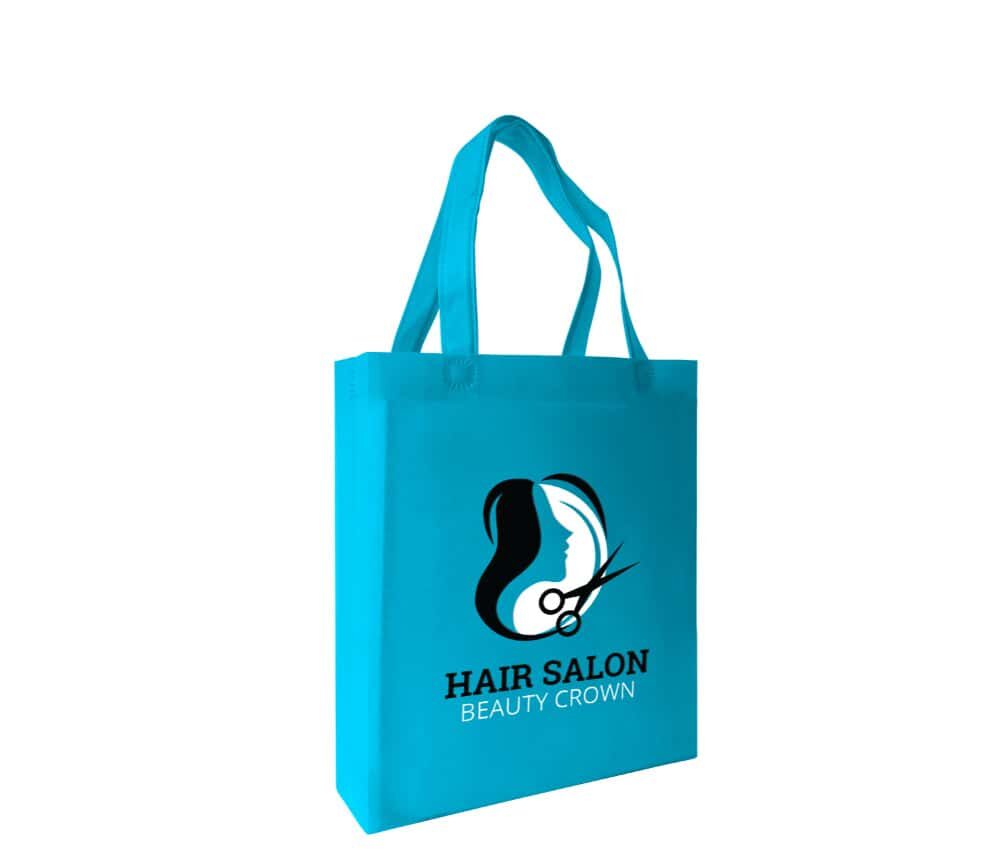
At its core, a woven bag is crafted by interlacing individual threads or strips of material in a crisscross pattern, much like traditional textile production. This weaving process creates a strong, stable fabric.
Woven bags are often made by weaving fabric fibres together, commonly from materials like polypropylene (PP), cotton, jute, or even recycled PET.
Woven PP, in particular, has a long history of industrial use, making sacks for everything from sandbags to packaging bulk coffee, rice, and other dry foods. It's a natural fit for bags because it's clean, strong, and easy to sew.
Woven bags are frequently seen in supermarkets as durable shopping bags, as premium packaging for high-end retail items, and in various industrial and agricultural applications due to their robust nature.
Some of their renowned traits that makes them a long-term investment bag include having:
- Exceptional durability
- Ability to withstand heavy loads
- Washable and reusable qualities
- More structured and premium feel due to their inherent strength
What Is a Non-Woven Bag?
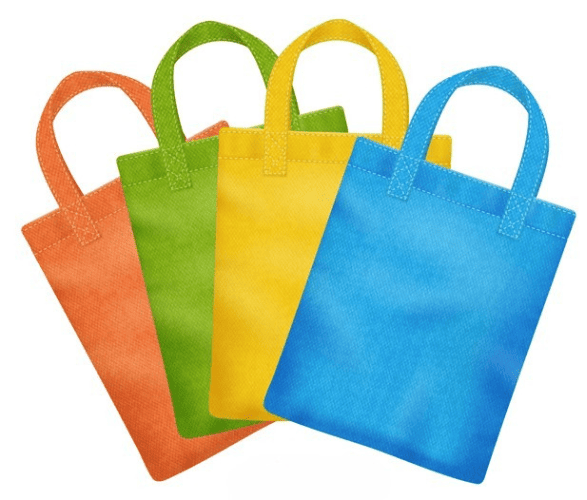
In contrast to woven bags, non-woven bags are produced without the traditional weaving or knitting process.
Instead, their fabric is created by bonding fibres together either through mechanical, thermal, or chemical processes, which allows for a softer, more fabric-like feel compared to the structured nature of many woven bags.
One of the most prevalent materials for non-woven bags is polypropylene (PP), a versatile thermoplastic polymer.
Their key traits include being:
- Generally lightweight
- Highly customisable for printing designs
- More affordable to produce
Pros and Cons of Each Bag Type
Both woven and non-woven bags offer distinct advantages and disadvantages that influence their suitability for various applications. Here’s a breakdown of it:
|
BAG TYPES |
PROS |
CONS |
|---|---|---|
|
Woven Bags |
|
|
|
Non-Woven Bags |
|
|
Common Uses of Woven & Non-Woven Bag
Understanding the typical applications for each bag type can further inform your decision, ensuring you select the most effective and sustainable option for your needs whether you’re a business owner or an environmentalist.
1. Woven Bags: Built for Strength and Durability
Due to their robust construction and ability to handle significant weight, woven bags excel in applications demanding resilience and repeated use:
- Heavy-Duty Shopping and Groceries
Their inherent strength makes them ideal for carrying substantial loads of groceries, books, or multiple retail items without tearing or stretching. Many supermarkets now offer premium woven bags as a durable, long-term alternative to disposable options. - Industrial and Agricultural Packaging
Woven polypropylene (PP) sacks are widely used for bulk packaging of goods like grains, rice, flour, animal feed, cement, sand, fertilisers, and other construction materials.
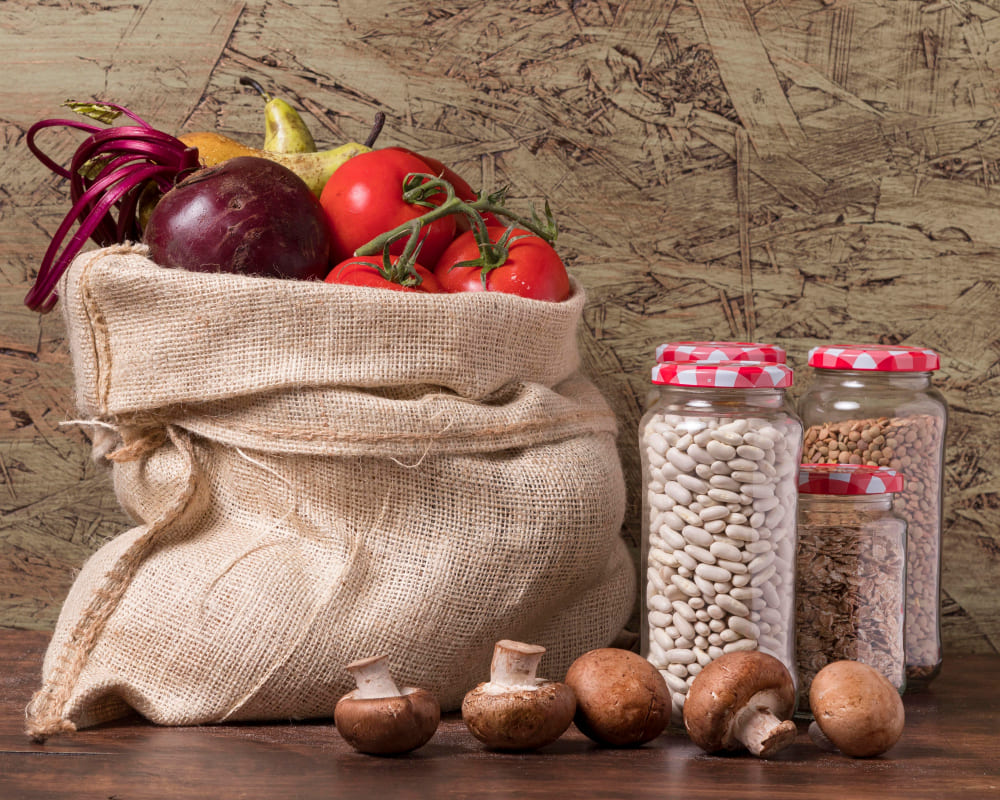
Their ability to withstand rough handling and provide ventilation (for certain contents) is crucial in these sectors.
- Promotional and Branded Merchandise (Premium)
Brands seeking to convey quality and longevity often opt for woven bags for promotional giveaways at events, trade shows, or as part of a high-end product experience. The structured feel and durability ensure a lasting impression.
- Storage and Organisation
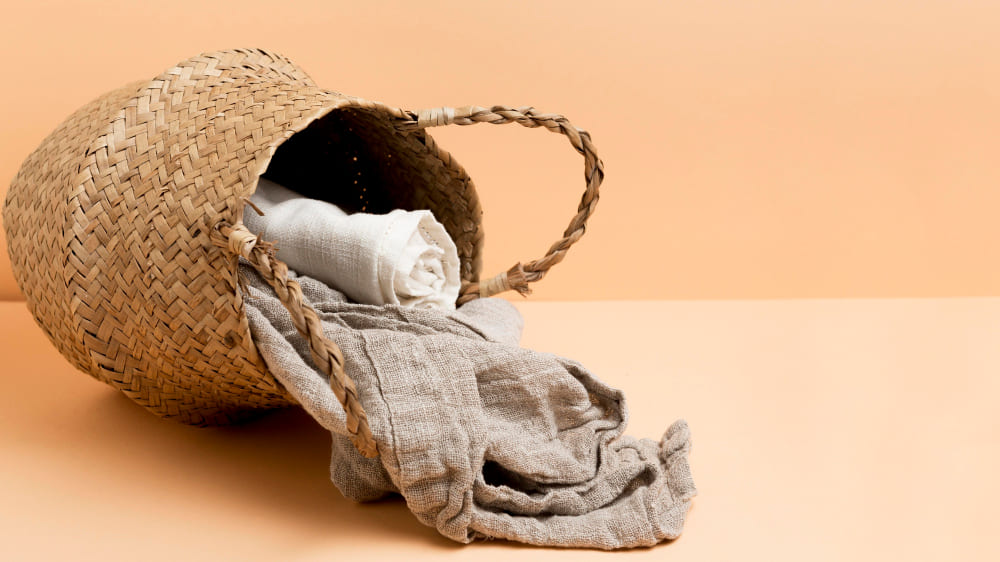
In homes and businesses, woven bags serve as excellent reusable containers for storing various items, from laundry and toys to tools and bulk dry goods.
- Outdoor and Utility Use
Their resistance to wear and tear makes them suitable for outdoor activities, beach trips, gardening, or as utility bags for transporting equipment.
Beyond their practical utility, woven bags have transcended their traditional roles to become a significant fashion trend, seen on runways and in everyday street style!
Designers and brands are increasingly incorporating natural fibers and intricate weaves, elevating woven bags into chic and sustainable accessories that complement a variety of aesthetics.
2. Non-Woven Bags: Versatility, Cost-Effectiveness, and Customisation
Non-woven bags, while generally less robust than their woven counterparts, offer a compelling combination of versatility, affordability, and excellent customisation options, making them popular for a wide range of uses:
- Everyday Shopping and Retail
Non-woven bags are a common sight in retail stores as a lighter, eco-friendlier alternative to plastic bags for general purchases like clothing, small household items, and lighter groceries. - Promotional Giveaways and Events
Their lower production cost and ease of printing make them a prime choice for large-scale promotional campaigns, conferences, and exhibitions.
Companies frequently use them to distribute brochures, samples, and other marketing materials, ensuring brand visibility.
- Gift and Packaging Solutions
Non-woven bags can be customised with attractive designs and colors, making them suitable for gift packaging, particularly for events or retail purchases where a more aesthetically pleasing yet affordable option is desired.
Their affordability allows organisations to distribute them widely for awareness campaigns or aid distribution. - Food Delivery and Takeaway
Their lightweight nature and ability to be produced quickly make them suitable for food delivery services and takeaway meals. - Lightweight Storage and Organisation
For items that don't require heavy-duty support, non-woven bags offer a practical and breathable storage solution.
By considering the specific demands of your intended application – whether it's the need for supreme strength and longevity, or widespread, cost-effective brand promotion – you can confidently choose between woven and non-woven bags to align with your sustainability goals!
Environmental Benefits: An Alternative to Plastic Bags
Both woven and non-woven bags play a crucial role in reducing our reliance on single-use plastic bags, offering significant environmental advantages.
The increasing shift towards these reusable options directly contributes to:
1. Less Pollution
The most immediate benefit is the dramatic reduction in plastic waste. If one consistently chooses reusable bags, we can all prevent countless plastic bags from entering our landfills, polluting our oceans, and littering natural environments.
Aside from that, using reusable bags also reduces our carbon footprint at the same time as we’re less dependent on the resources used on plastic bag production.
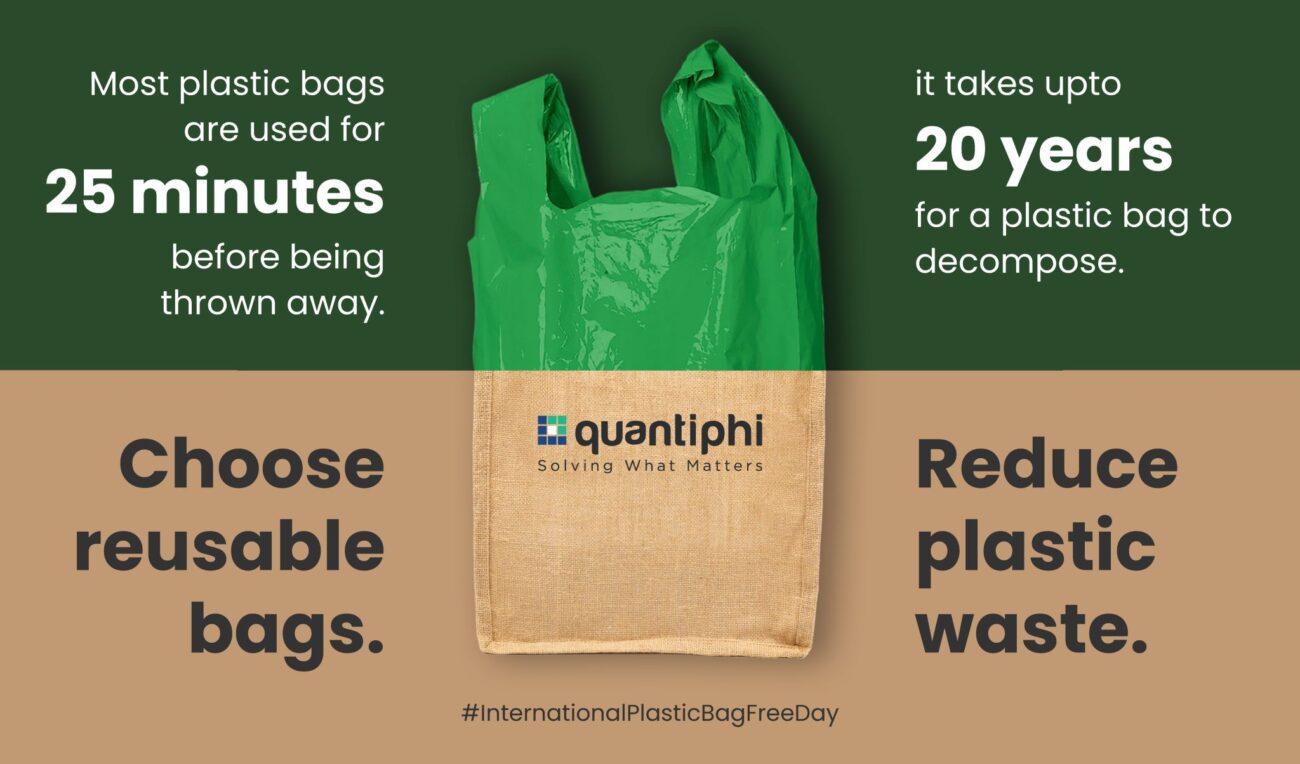
This directly mitigates the severe and visible impact of plastic pollution on delicate ecosystems, marine life, and terrestrial wildlife, which often ingest or become entangled in plastic debris. With this shift, we can help to protect biodiversity and preserve the pristine beauty of our planet.
2. Recyclability and Reusability
A core strength of many woven and non-woven bags lies in their design for longevity and their material composition. Many, particularly those made from polypropylene, are inherently recyclable, meaning they can be reprocessed into new products at the end of their useful life.
More importantly, their very purpose is built around multiple uses, extending their lifecycle significantly beyond the fleeting existence of a single-use plastic bag.
This strong emphasis on reusability and potential recyclability aligns perfectly with the principles of a circular economy, where resources are kept in use for as long as possible, rather than being discarded after a single application.
3. Reduced Resource Consumption
The adoption of durable, reusable bags inherently lessens the continuous demand for new bag production
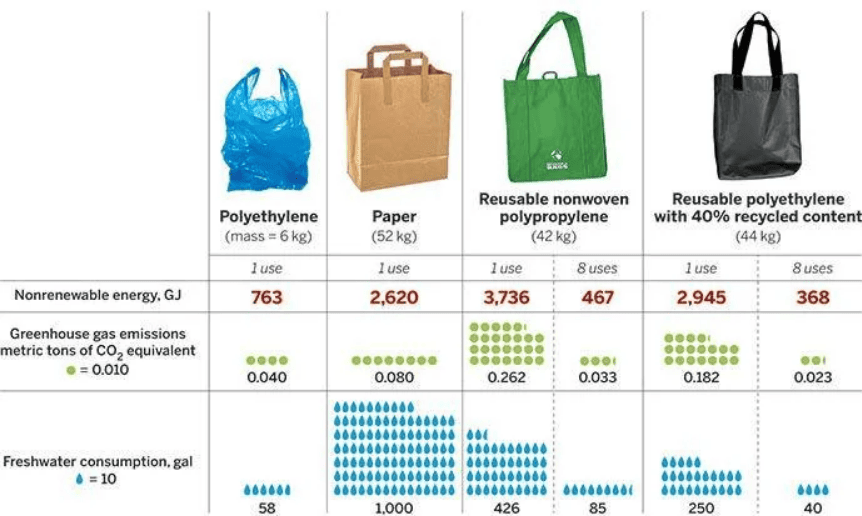
This, in turn, leads to a significant conservation of precious raw materials – such as crude oil used in plastic manufacturing – and a reduction in the energy consumed during the manufacturing, transportation, and disposal processes of single-use alternatives.
It represents a more efficient use of our planet's finite resources.
Malaysia is deeply committed to addressing plastic pollution and promoting a circular economy through its "Roadmap Towards Zero Single-Use Plastics 2018-2030" and the "Malaysia Plastics Sustainability Roadmap 2021-2030."
States in Malaysia such as Penang, have moved towards a greener approach by escalating its "No Plastic Bag" campaign, mandating no bags be given out daily from March 2025, with full enforcement beginning September 1 after a grace period and free reusable bag distribution.
This initiative reinforces Penang's long-standing commitment to sustainability and aims to phase out all single-use plastics.
Which One Should You Choose?
- For budget-friendly promotions or large-scale event giveaway
- For a premium brand feel, heavy-duty use, or long-term customer retention
- For eco-conscious retail use
How About Business Use Cases?
- F&B Takeaways
- Retail Shops (Everyday Items)
- Event Giveaways & Goodie Bags
- Corporate Social Responsibility (CSR) Packs
Switch to Sustainable and Stylish Bags!
Ditch single-use plastic! Both woven and non-woven bags are smart, sustainable choices for your brand. Understand their unique traits—from cost to durability—to pick what best fits your needs and values.
Whether you choose cost-effective non-woven for broad reach or premium, durable woven for a high-end feel, both powerfully cut plastic waste and boost your eco-friendly image.
At Viazan Print, we're experts in both woven and non-woven bags. We'll help you choose the perfect solution that not only meets your needs but also champions your brand's sustainability goals.
Ready to go green with your business? Contact Viazan Print today!
FAQs
Which is better for food takeaway?
Non-woven bags are generally preferred for food takeaway due to their affordability, lightweight nature, and sufficient strength for typical food containers. They are also easily customisable with branding.
Can I print full-colour designs on both types of bags?
Yes, full-colour designs can be printed on both woven and non-woven bags. Non-woven bags often offer more vibrant and precise printing capabilities due to their smoother surface, while woven bags may require specific printing techniques or lamination for optimal results.
What is the difference between laminated and non-laminated non-woven bags?
Laminated non-woven bags have a thin film (often BOPP) applied to their surface, providing increased water resistance, durability, and a glossy or matte finish that enhances print quality. Non-laminated non-woven bags have a softer, more fabric-like feel and are typically more breathable, but less water-resistant.
What is the difference between woven and non-woven bags?
|
Feature |
Woven Bag |
Non-Woven Bag |
|---|---|---|
|
Durability |
High; excellent for heavy loads and long-term use |
Moderate; suitable for lighter loads and frequent use |
|
Cost |
Higher |
Lower |
|
Customisability |
Good; can be printed and designed |
Excellent; wide range of printing options, vibrant colours |
|
Appearance |
Structured, often premium, substantial feel |
Softer, more flexible, can appear less structured |
|
Eco-friendliness |
Highly reusable, often made from natural/recycled materials, long lifespan |
Reusable, often made from PP, can be recycled (depending on local facilities) |
|
Water Resistance |
Varies; may require lamination for water repellency |
Often inherently water-resistant, especially with lamination |
|
Best For |
Premium branding, heavy-duty use, long-term investment |
Budget-friendly promotions, events, light to medium retail, quick giveaways |
How much weight can woven and non-woven bags carry?
Woven bags, especially those made from polypropylene, can typically carry significantly more weight, often ranging from 10 kg to 25 kg or even more for industrial-grade bags. Non-woven bags usually carry between 5 kg to 15 kg, depending on the material thickness and bag construction. Always check the manufacturer's specifications for exact weight capacities.